A floor slope over 1 percent, about 1 inch across 8 feet, is usually noticeable, according to the Texas Section of the American Society of Civil Engineers. Most foundation problems announce themselves in the house first: a door that sticks, a crack at a window corner, a floor that rolls. Here is what each sign points to, which ones are urgent and what we measure.
The Short Answer
One sign alone is rarely a verdict. Several signs together, or a crack that grows, mean the foundation is moving. The ASCE guidelines state that the majority of cracks do not compromise structural integrity, so Foundation Repair Keller TX measures the cracks and the floor before anyone recommends a repair.
Signs Inside the House
| Sign | What it can point to | What we check |
|---|---|---|
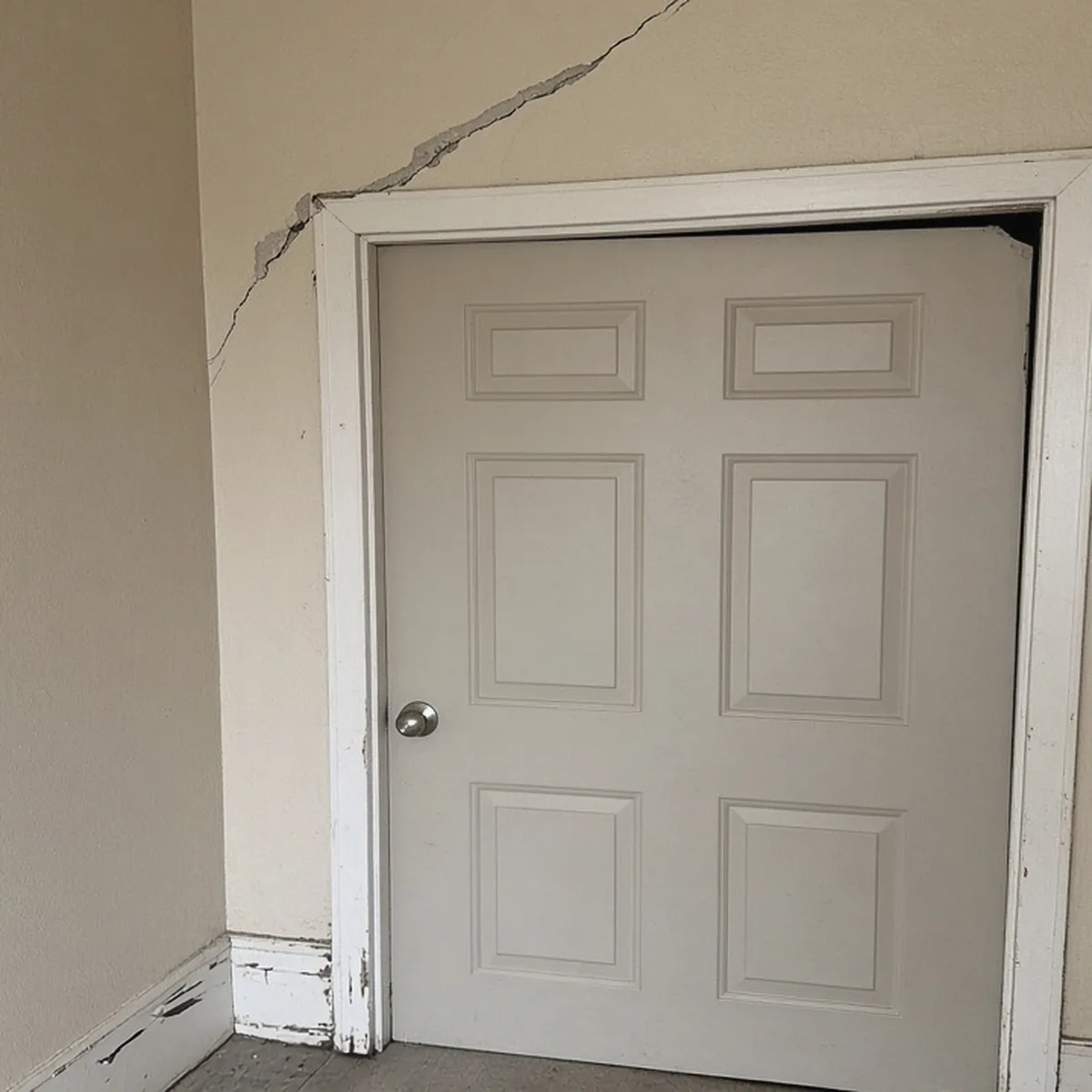
| Doors and windows that stick or will not latch | The frame moved out of square as the floor dropped | Floor elevations near the opening |
| Diagonal cracks from the corners of doors and windows | Differential movement across the wall | Crack width, direction and growth |
| A sloping or rolling floor | Settlement under part of the foundation | A full floor elevation survey |
| A gap between the floor and the baseboard | The slab or framing moved away from the wall | Slab edge and the wall base |
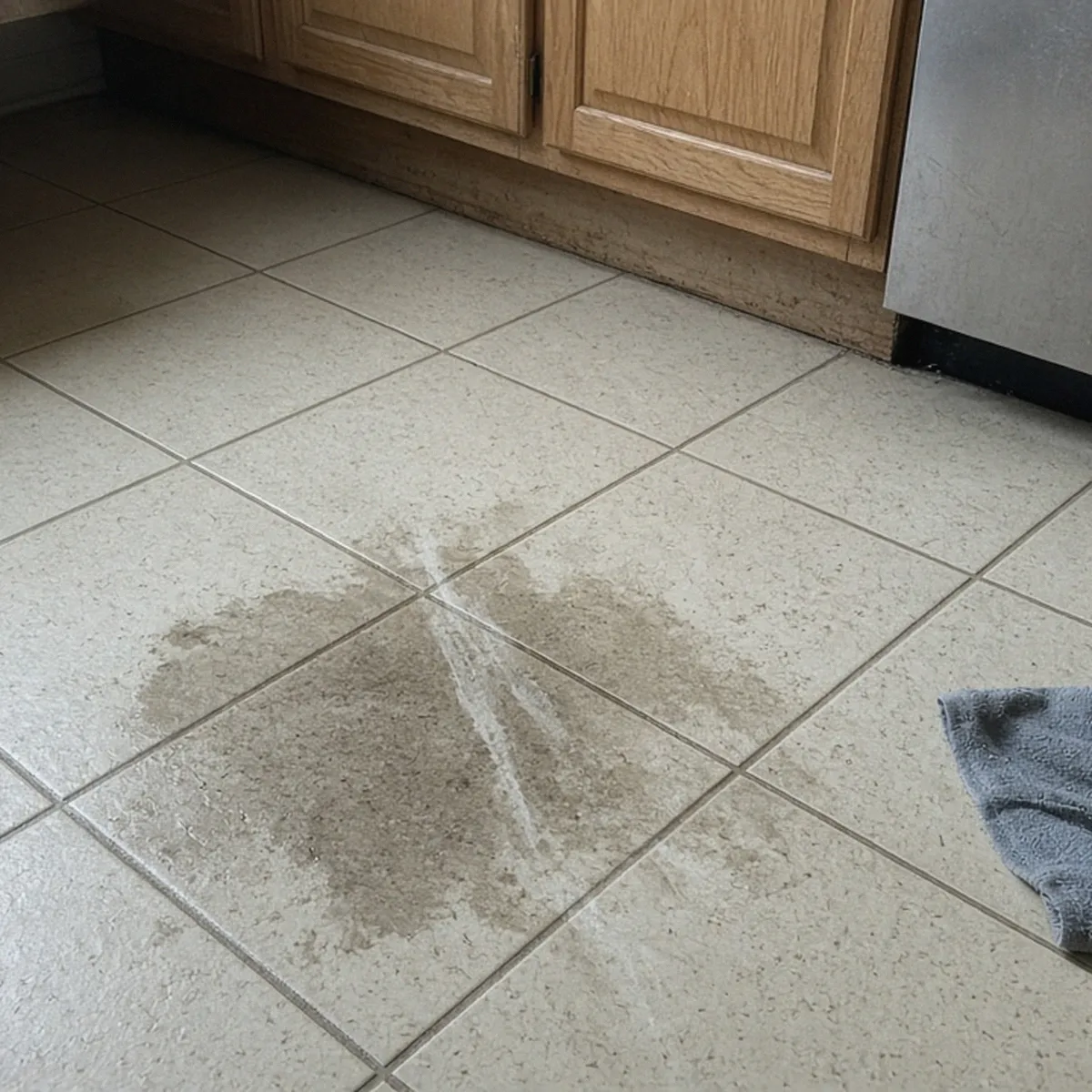
| Cracked tile | Slab movement under the tile | Slab cracks and floor slope |
| Drywall cracks that return after patching | Ongoing movement | Whether the foundation is still moving |
Signs Outside the House
- Stair-step cracks in brick that follow the mortar joints
- Brick pulling away from the soffit or the window frame
- Cracks in the slab, the garage floor or the driveway edge
- Gaps between the slab and the soil
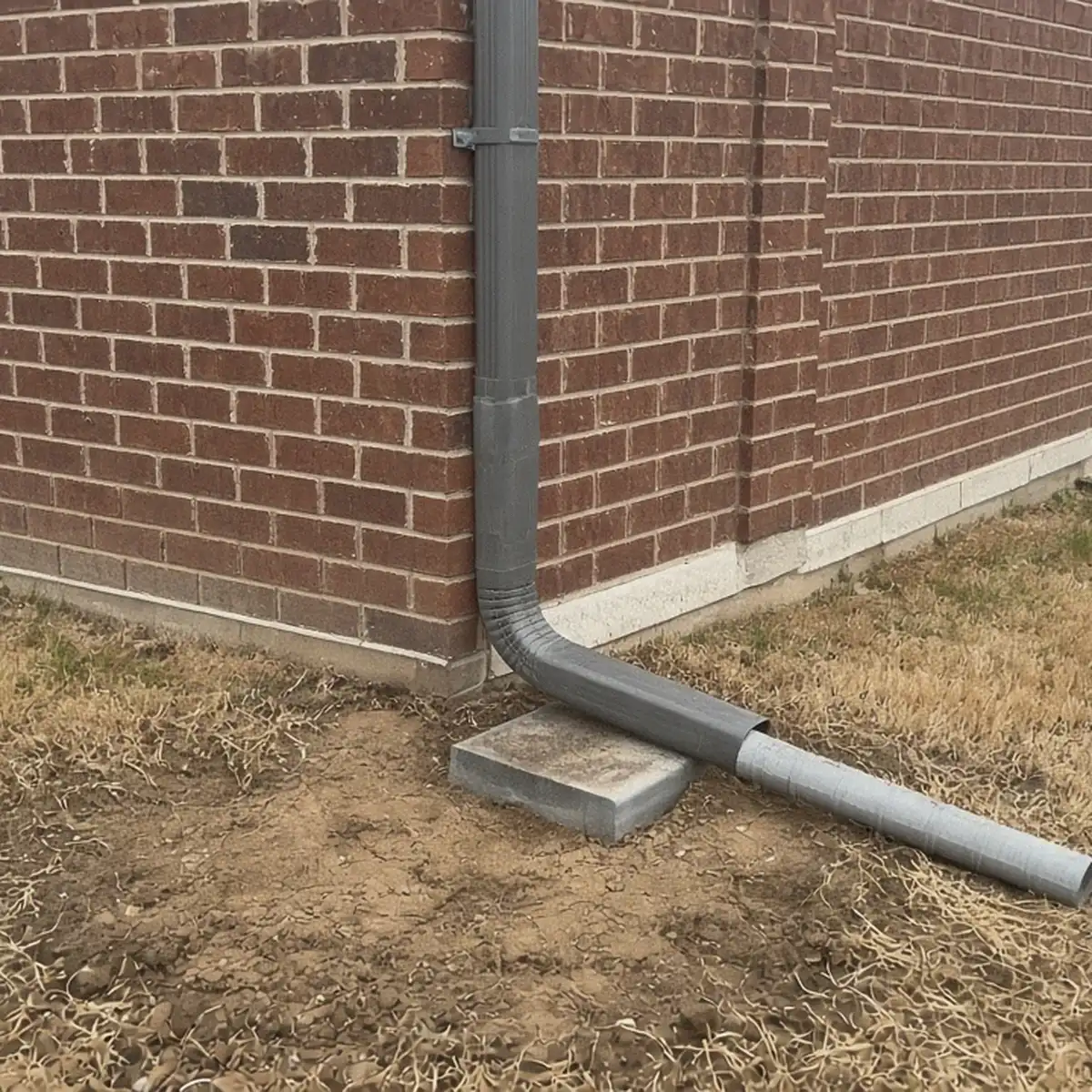
- Soil that stays wet beside the foundation, or downspouts that empty at the wall
Measure Before You Decide
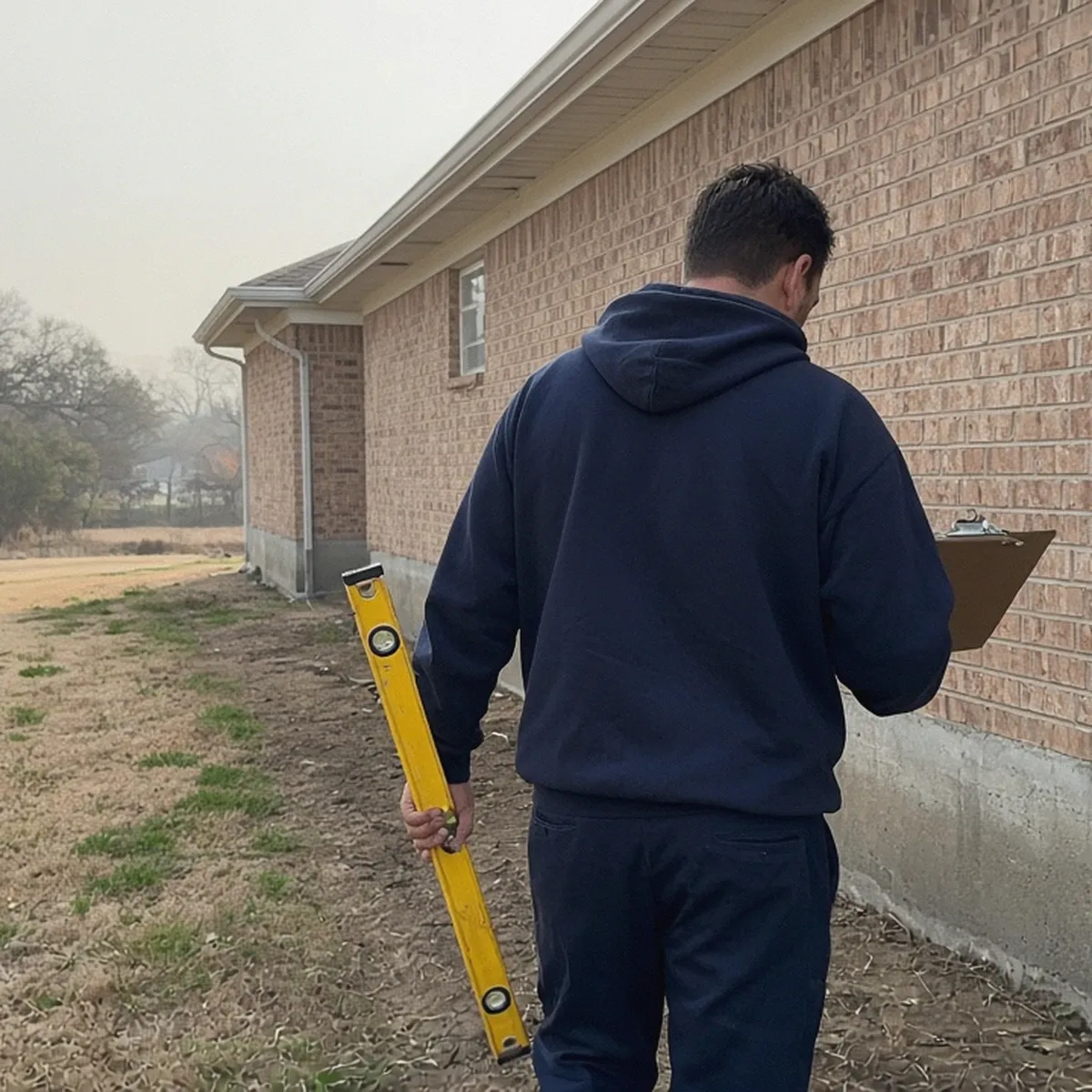
The ASCE guidelines define deflection as the maximum deviation from a straight line between two points divided by the distance between them, and tilt as the planar variation from level across the whole foundation. They use L/360 as a comparison limit for deflection, and they say a floor elevation survey can provide valuable information but should not be the only basis for a conclusion. We measure floor elevations, look at the cracks and check the drainage before we recommend a repair.
Why Keller Foundations Show These Signs
The ASCE guidelines state that Texas has large areas with clayey soils that shrink and swell with changes in soil moisture. The USDA soil survey for Tarrant County maps mostly fine sandy loams around Keller with clay soils in patches, and USDA describes the Sanger series as 40 to 60 percent clay with high shrink-swell. The Dallas/Fort Worth weather station records about 20 days a year at or above 100°F and about 37 inches of precipitation. Census Bureau figures show about 90% of Keller's occupied homes were built in 1980 or later. Why Keller soil moves foundations
When to Call
Call when you see a crack wider than a hairline, a crack that has grown, a floor that slopes, or several signs at once. A level floor beside a hairline crack can wait for a routine check. Foundation crack repair
Frequently Asked Questions
What are the first signs of foundation problems?
Sticking doors and windows, diagonal cracks at their corners and a slight slope in the floor tend to appear first. The ASCE guidelines state that a floor slope over 1 percent is usually noticeable. We measure floor elevations to tell whether the movement is real and where it sits.
Are cracks in a slab foundation always a problem?
No. The ASCE guidelines state that the majority of cracks do not compromise structural integrity. A crack becomes a concern when it is wide, grows over time, or sits beside a sloping floor and sticking doors. We measure the crack and mark the date so growth shows on the next visit.
Can a foundation problem start with a plumbing leak?
Yes. Water from a leaking line softens or swells the soil, and the foundation moves with it. The ASCE guidelines advise testing water supply and drain lines for leaks if jacking or lifting is part of a repair. Slab leak or foundation problem
Do new homes get foundation problems?
They can. Census Bureau figures show about 48% of Keller's occupied homes were built in 2000 or later, and a foundation of any age sits on soil that shrinks and swells with moisture. A new home has had fewer wet and dry cycles. The signs and the measurements are the same.
Which sign means the foundation needs repair right away?
A crack that is widening, a floor that is dropping, or a door that stops closing in a short time. These point to active movement. Call for an inspection, and keep dated photos of the crack. Foundation leveling and settlement repair